


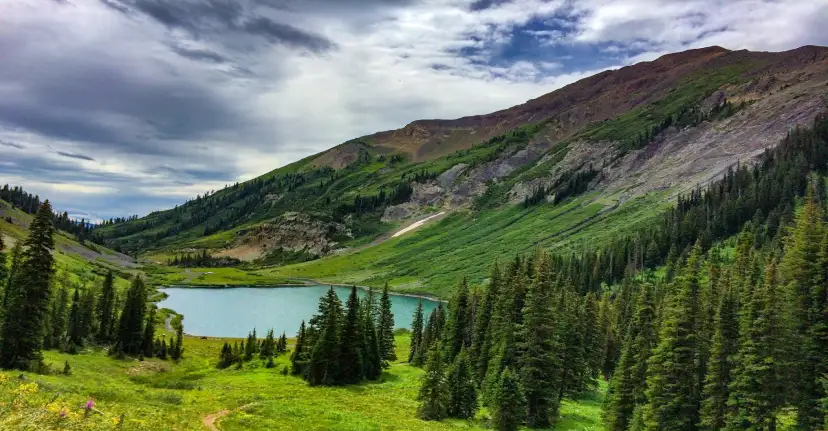
Northern Pakistan Travel Essentials: What to Pack for High-Altitude Tours
Journeying into the high-altitude wilderness of Northern Pakistan — encompassing Hunza Valley, Skardu, Swat, Fairy Meadows, and Neelum Valley — is an unforgettable bucket-list adventure. However, the extraordinary alpine terrain that creates such magnificent scenery also produces rapid, dramatic weather fluctuations. Within a single afternoon, you can experience radiant sunshine, piercing glacial winds, and unexpected mountain rainfall.
Whether you are booking a leisurely family holiday or a rugged mountain expedition with FT Travel & Tours, packing the right gear is critical to ensuring your health, comfort, and safety. Here is our complete, field-tested packing checklist compiled by professional mountain guides.
1. The Golden Rule: The Three-Layer Clothing System
Instead of packing heavy, bulky winter coats that are cumbersome to carry, seasoned mountain travelers swear by the three-layer clothing system. This allows you to effortlessly add or shed layers as temperatures shift from warm valley floors to freezing high passes:
A. Base Layer (Moisture-Wicking)
The layer in direct contact with your skin must actively wick perspiration away to prevent hypothermia when resting after a hike. Pack 2–3 pairs of synthetic polyester or merino wool thermal tops and bottoms. Avoid 100% cotton garments, as cotton traps sweat, becomes damp, and chills your body.
B. Mid Layer (Thermal Insulation)
The insulating layer traps body heat in pockets of air. Essential items include:
- 1 or 2 breathable polar fleece pullovers or full-zip jackets.
- 1 lightweight, packable down or synthetic insulated jacket (800+ fill power down is ideal for evening stargazing).
- Quick-dry convertible trekking trousers with cargo pockets.
C. Outer Shell (Windproof & Waterproof Protection)
Mountain winds in the Karakoram and Himalayas can cut through ordinary sweaters in seconds. Pack a high-grade Gore-Tex or equivalent breathable waterproof and windproof hardshell jacket with an adjustable hood and taped seams.
2. Footwear: Comfort on Uneven Mountain Terrain
Your choice of footwear can make or break your holiday. Cobblestone paths in ancient forts, suspension bridge planks, and loose gravel near glacial lakes demand sturdy support:
- Sturdy Trekking Boots: Waterproof mid-to-high cut boots with Vibram outsoles and solid ankle support. Ensure you break them in at home prior to your trip to avoid painful blisters.
- Camp Shoes / Sneakers: A comfortable pair of slip-on sneakers or sandals for relaxing in hotel lounges and evening dinners.
- Merino Wool Trekking Socks: 4–5 pairs of cushioned hiking socks. Merino wool naturally resists bacterial odors and regulates foot temperature.
3. High-Altitude Health & First Aid Medical Kit
Medical dispensaries in remote mountain settlements may not carry international brands. Always travel with a personalized, well-stocked medical kit:
Medications Checklist
- Altitude Sickness Prevention: Diamox (Acetazolamide) — consult your physician for dosage prior to traveling to Deosai (4,114m) or Khunjerab Pass (4,693m).
- Gastrointestinal Relief: Oral rehydration salts (ORS), loperamide (Imodium), antacids, and broad-spectrum antibiotics (prescribed by your physician).
- Motion Sickness: Dimenhydrinate (Gravol) for winding mountain roads like Babusar and Lowari Pass.
- Pain & Anti-Inflammatory: Ibuprofen and Paracetamol for altitude-induced headaches and muscle soreness.
Sun & Skin Protection
- High-SPF Sunscreen (SPF 50+): High altitude means thinner atmosphere and significantly more intense UV radiation.
- Polarized Sunglasses (UV400): Essential protection against snow glare and high-altitude sunlight reflection off glaciers.
- Intense Lip Balm with SPF: Mountain air is exceptionally dry and will cause painful chapped lips without balm.
- Deep Moisturizing Cream: Combats skin dryness caused by dry glacial drafts.
4. Electronics, Power Backups & Connectivity
Cold temperatures significantly diminish lithium battery performance. Keep your cameras and smartphones functioning throughout your expedition:
- High-Capacity Power Banks: At least one 20,000mAh portable battery bank with fast charging support. Store your phone and power banks inside an inner coat pocket close to body heat during cold mornings.
- SCOM Local SIM Card: Special Communications Organization (SCOM) provides the only reliable 4G voice and mobile data coverage throughout Gilgit-Baltistan and Azad Kashmir. Procure a tourist SIM in Islamabad or upon entering the region.
- Multi-Port USB Vehicle Charger: For keeping devices charged during long drives in our tour 4x4 SUVs.
- Headlamp or Compact Torch: With extra batteries for navigating village paths after dark.
5. Cultural Etiquette & Packing Consideration
The local communities of Gilgit-Baltistan, Khyber Pakhtunkhwa, and Azad Kashmir are exceptionally hospitable and respectful. Travelers should reciprocate this respect by packing culturally considerate clothing: modest, loose-fitting attire covering shoulders and knees when visiting historic forts, mosques, and traditional bazaars. A lightweight shawl or scarf is recommended for female travelers when entering sacred heritage sites.
6. Explore Pakistan with FT Travel & Tours
Leave the logistical complexities of high-altitude travel to the experts. Our team coordinates certified mountain drivers, luxury 4x4 transport, curated boutique hotels, and seamless on-ground support. Check out our signature packages:
- Northern Pakistan Blossom Tour Package
- Autumn Tour Hunza Valley Package
- Skardu Valley Travel Guide
- Swat Valley Travel Guide
- Neelum Valley Azad Kashmir Travel Guide
Ready to embark on an unforgettable adventure? Contact FT Travel & Tours Desk